
Feeling It’s Time
by Kimberly A. BarchardIssue 24: Summer 2024
 Today I’d like to tell you about a new feeling. This feeling doesn’t have a convenient word in English, the way happy and sad do. And different people probably feel it under different circumstances, which makes it hard to describe. But this feeling helps me build good habits and accomplish my goals, and so I encourage you to cultivate it. I call this feeling It’s time.
Sometimes, I feel It’s time because I notice the date, the day of the week, or the time of day. Here are a couple of examples:
- Shortly after I had turned on my computer, I was glancing through my lists trying to decide what I needed to do that day, when I realized it was Wednesday. Suddenly, I felt It’s time: On Wednesday mornings I track my writing accomplishments for the week. I immediately switched over to that task.
- One evening, I was comparing ideas between a Word document and an Excel file, moving words back and forth, when I saw the little clock on the bottom corner of my screen. Suddenly, I felt It’s time: It takes me almost an hour to get to my dance class. I immediately saved my files and stood up to go.
Sometimes, I feel It’s time because I notice a cue in my environment.
- I was pushing my cart through the grocery store, meandering slowly as I perused the shelves, when I glanced down at my grocery list and saw every item had been crossed off. Suddenly, I felt It’s time: I should stop browsing and go check out. I immediately headed towards the cashiers.
- I was walking through the kitchen when I saw the laundry basket perched near the door to the garage. I remembered I had put the washing on a while ago. Suddenly, I felt It’s time: I immediately went to move the laundry over.

Regardless of the immediate cause of the feeling – noticing the date or time or some other environmental cue – It’s time tells me I need to do something and I need to do it right now.
When I feel It’s time, I don’t ask myself if I want to do an activity. I don’t examine my emotions and body to create an inventory of feelings. I don’t create a list of pros and cons. It’s time is not the feeling of Do I want to or don’t I want to?, but the feeling of Oh yeah, I know what happens next. When I feel It’s time, I feel a sense of certainty and destination. An inevitability. A purpose.
On the other hand, feeling It’s time does not always lead to immediate action. Some examples:
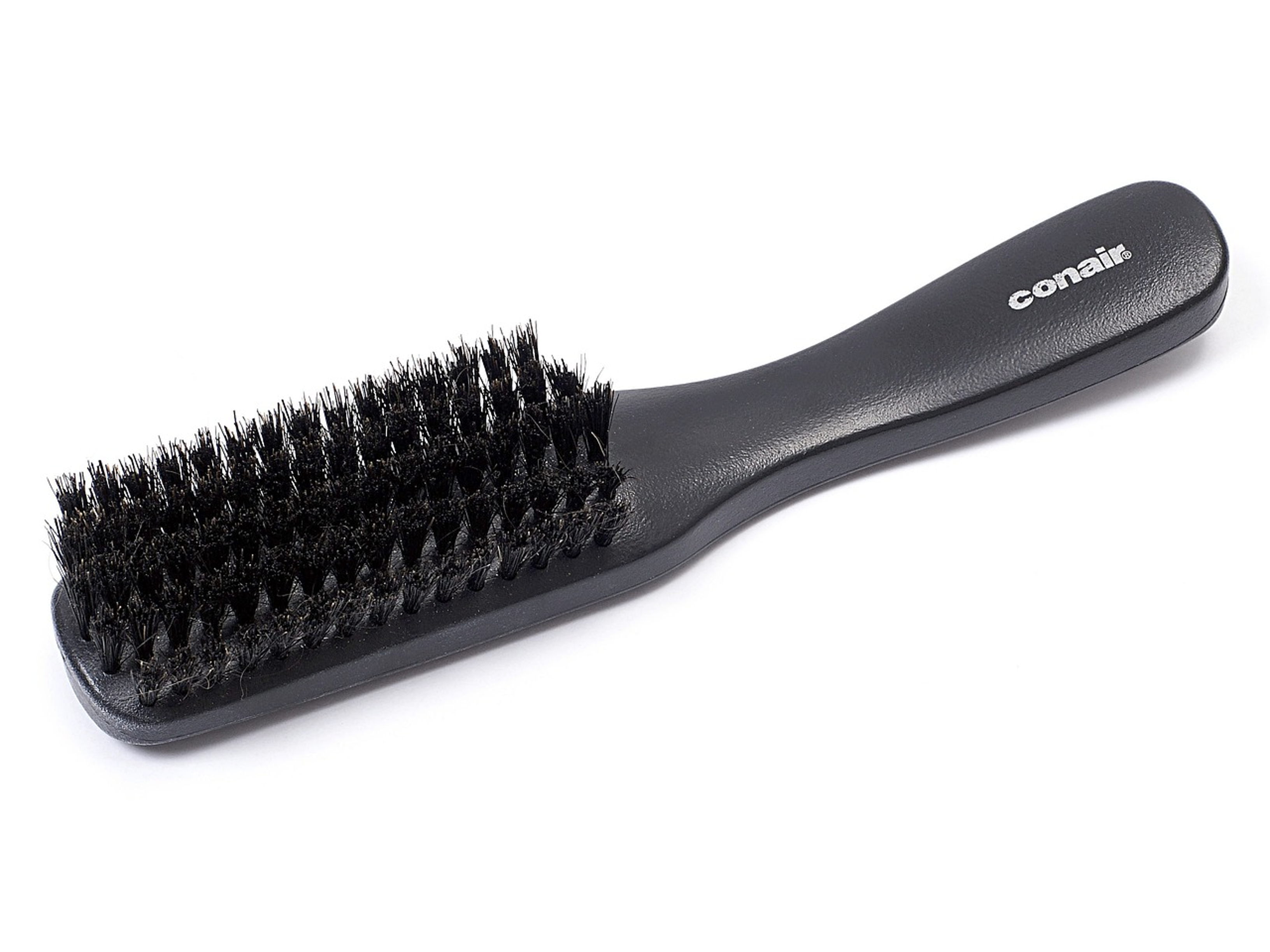
- I was polishing the writing in this article when I suddenly felt It’s time to brush the dog. I pictured myself grabbing the short, black brush and settling on the living room floor with my dog in front of me, but I wondered if I should do that right now. I didn’t want to interrupt the flow of ideas, and so I decided to keep working. A few seconds later, I suddenly knew what I actually should do: I realized It’s time to write “brush dog” on my to-do list; I did so and then returned to this article.
- A few minutes later, I picked up my water mug and discovered it was empty. Suddenly, I felt It’s time to refill my mug. My body started to pivot, so I could get out of my chair and fulfill this urgent need. Then I realized I should write down this additional example of feeling It’s time. I’ve now written down these examples and will go get water.
As the examples above illustrate, I can feel It’s time because of well-thought-out life goals (I should stay well-hydrated) and because of random thoughts and environmental cues (Where did the dog-brushing thought come from?). Sometimes, It’s time helps me reach my objectives. Other times, It’s time throws distractions in my path. I think It’s time can help explain the relationships between intentions, cues, and behaviors.
When you have a habit, one step follows the next without you having to think about them. You’ve put on your left shoe and now you will put on the right. You’ve washed a plate and now you will put it on the drain-rack. You’ve opened your laptop and now you will push the power button. When you have a habit, the activities take almost no thought. They are easy. But how do we get to that point?
In his book, Atomic Habits, James Clear talks about the Habit Loop: Cue, Craving, Response, Reward. Notice the cue, feel the craving, make the response, get the reward. He provides helpful advice about the types of cues we should use (obvious, specific, and immediately actionable) and the types of responses we should aim for (ones that are easy and take less than 2 minutes). If you repeat Cue-Response-Reward many times (cue-response-reward; cue-response-reward; cue-response-reward), you will start to crave the response. Feeling the craving will make it easier to make the response, and so reinforces the whole habit loop.
But how do you get yourself to make the response when, having experienced the cue, you don’t yet feel any craving, any wanting, any motivation or desire? I’ve discovered I can do activities without any motivation, without any craving, just because it’s time to do them.
A couple of years ago, I was sitting on the edge of my bed, looking down at my running shoes, paralyzed by indecision. I was arguing with myself about whether I wanted to go do it (sorry, I can’t remember what energetic activity it was), when suddenly, I realized it was time to go. I shoved one foot into a shoe, then the other, then laced them up and stood, all the while musing that what I wanted didn’t matter. It was simply time. Ever since then, I have known that I don’t have to want to do something. I don’t have to talk myself into it. I can do things just because It’s time.
 To make life easy and fulfilling, I recommend you recognize and cultivate the feeling of It’s time. To do this, you must first identify desired behaviors. Don’t aim for the ultimate goals (e.g., getting healthy, writing well) or the big behavioral changes that you think are needed to accomplish them (e.g., daily work outs, an honors thesis). Instead, identify the first (and smallest) thing you would have to do (e.g., put on running shoes, write for 15 minutes). These are called gateway habits (Clear, n.d., two-minute rule) because they make the more ambitious habits possible.
Second, implement deliberate behavioral change strategies to increase their frequency. The strategies I’ve found most useful (and the resources I more recommend for learning about them) are behavior tracking (Clear, n.d.; Nucleus, 2024), 30-day challenges (Barchard, 2019; Tyler, 2024), priming my environment (Clear, n.d.), and habit stacking (Barchard, 2019; Watt, 2021). These strategies have helped me complete my desired behaviors more often (e.g., flossing my teeth, eating vegetables, writing daily), and I think they also help develop the feeling that It’s time to do those behaviors, so that, eventually, the behaviors happen automatically and effortlessly.
Someone asked me, How do you get to the point where you do not need cues, where the good behaviors are just automatic? You don’t. Habits are fragile; without the cues, they probably won’t happen. If you feel It’s time to go to class because you see a clock, you probably won’t feel It’s time if you are somewhere without any clocks. And if you teach yourself it’s time to go jogging when you see your running shoes, you probably won’t feel It’s time if you forget to put them out the evening before. This is why our good habits so often fall apart when we go on vacation: The usual cues are gone.
 The point you might get to, for some behaviors, is that they will become routine. You’ll experience the cue and go immediately to the behavior. When I first started walking my dog in the morning, I had to get up early to beat the summer sun. Bleary and sleepy-eyed, I had difficulty remembering all the things I should take with me: wallet, keys, sunglasses, hat, dog bags, leash, and dog. I often walked out the door missing one or more of those things (though the dog usually wouldn’t let me leave without him). Later on, I told myself I needed to take five things (in addition to the dog and leash). I’d pat my pockets, my head, and my face: one, two, three, four, five. If I didn’t get to five, I’d look to see what was missing. These days, though, I successfully pick up all the necessary things almost every time. In summer, I remember my water bottle. In winter, I remember my gloves. It’s just practice. Years and years of practice. My dog and I have got to the point where I put on my shoes, he gives a preparatory stretch, and I grab the things I need: my shoes are his cue; him eyeing me expectantly is mine.
 We can be deliberate about creating habit loops. Here’s my theory. First, you have a good intention (e.g., exercise more). Second, you should identify the smallest possible action you could take in order to advance yourself towards your goal (this is the response; e.g., you will go outside wearing your running shoes). Third, it’s helpful to tell yourself when you will do the thing you want to do, perhaps by stating an if-then relationship (this is the cue; e.g., if you see your running shoes in the morning, you will put them on and go outside). Fourth, it’s helpful to deliberately create (or identify) environmental cues to remind yourself of your plan (e.g., put your shoes by your bed the night before). Fifth, sometime later, you notice the cue (e.g., you wake up and see your shoes). Sixth, either you feel It’s time and immediately do the thing you said you would do (e.g., put on shoes, go outside) or else you start an argument with yourself about whether you want to do it. I advocate you skip the argument: Just do the thing because it’s time to do it. Repeat this cycle over and over, until the cue leads immediately to the response. And if you picked a response that leads to a reward (if you enjoy going outside in the morning), you may feel a craving after you experience the cue. Instead of just feeling Oh, it’s time to go to outside, you might think Oh good, it’s time to go to outside. Either way, go outside.
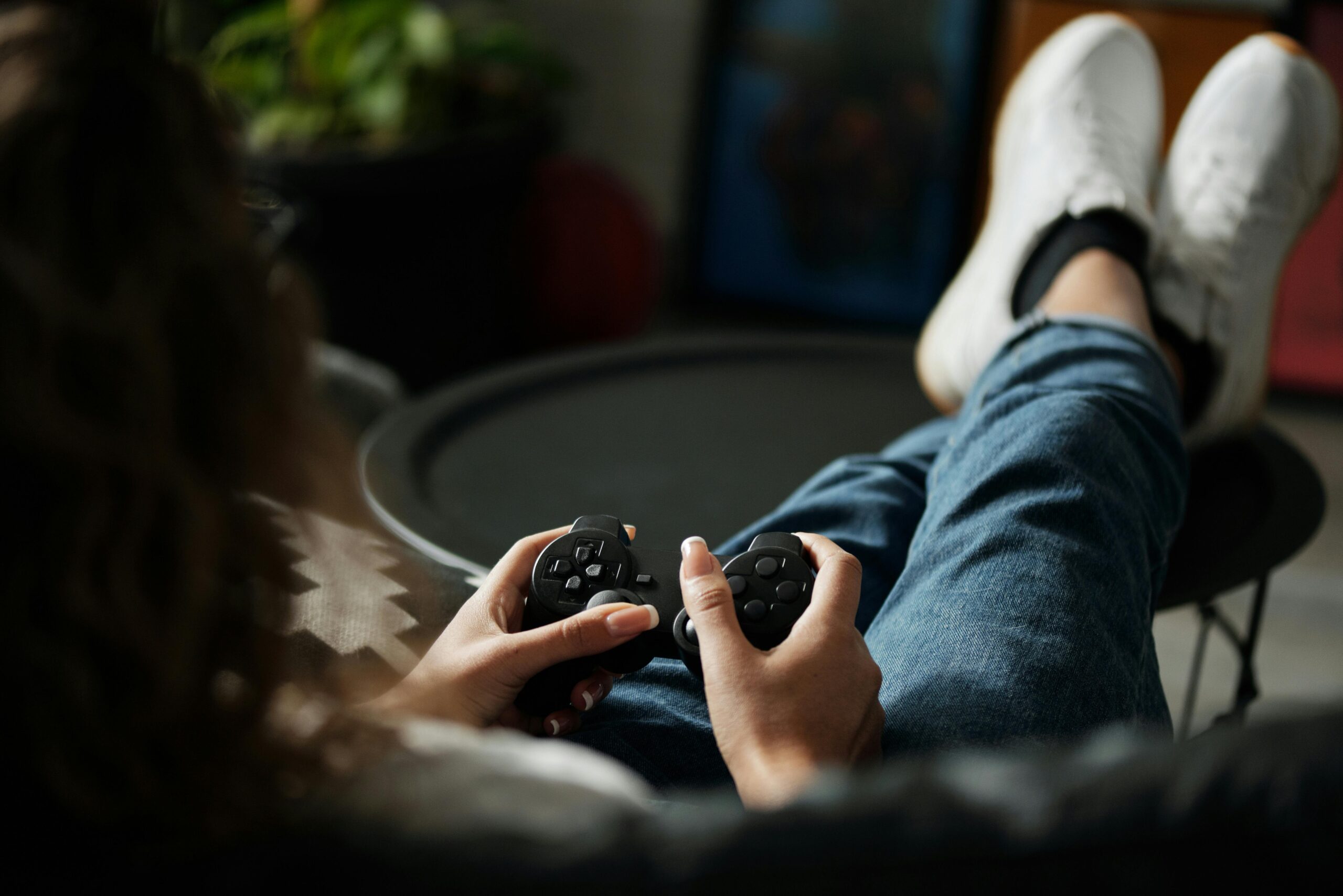 There’s a second part to my theory. Feeling It’s time can lead you astray; telling yourself It’s not time can sometimes get you back on track. Try to recognize when you feel It’s time to do things that undermine your goals, such as when stress makes you want to eat unhealthy foods, when tiredness makes you want to binge watch a series, or when losing your video game makes you want to play again. Recognize the feeling and then tell yourself, Actually, no, it isn’t necessarily time to do that. I get a choice. You have successfully cultivated the feeling of It’s time when you do not need any motivation to do a good habit and when you consciously feel (and fight) the feeling of Craving when you are about to do a bad habit.
We all have goals and good intentions. For one of your goals (I recommend you tackle one goal at a time), decide what is the smallest behavior you could do that would help you accomplish that goal. Then decide when you will do that behavior. State this either as a decree (I will record my writing accomplishments each Wednesday morning) or as a conditional statement (If I have completed my grocery list, stop shopping). Later on, when you notice your designated cue, do the activity simply because It’s time.
References
Barchard, K. A. (2019, July). 30-day challenge. Connections: Word from the Interactive Measurement Group, 9. https://img.faculty.unlv.edu/lab/newsletter/issue-9/kim-30-day-challenge/
Clear, J. (2018). Atomic habits: Tiny changes, remarkable results: An easy and proven way to build good habits and break bad ones. Penguin Random House. https://jamesclear.com/atomic-habits
Clear, J. (n.d.). How to build new habits by taking advantage of old ones. https://jamesclear.com/habit-stacking
Clear, J. (n.d.). Lesson 2: The two-minute rule for building lasting habits. https://jamesclear.com/30-days/lessons/lesson-2
Clear, J. (n.d.). Lesson 6: Prime your environment to make future habits easy. https://jamesclear.com/30-days/lessons/lesson-6
Clear, J. (n.d.). The 5 triggers that make new habits stick. https://jamesclear.com/habit-triggers
Clear, J. (n.d.). The ultimate habit tracker guide: Why and how to track your habits. https://jamesclear.com/habit-tracker
Nucleus. (2024). 4 reasons why it’s important to track your goals and milestones. https://nucleusapp.io/productivity-articles/why-its-important-to-track-your-goals-and-milestones
Tyler. (2024). The incredible power of the 30 day challenge. https://30daychallengedude.com/
Watt, J. D. (2021, Spring). Revolutionizing my routine with James Clear’s Atomic Habits. Connections: Word from the Interactive Measurement Group, 14. https://img.faculty.unlv.edu/lab/newsletter/issue-14/j-d-atomic-habits//
 Kimberly A. Barchard is a Professor in the Department of Psychology at UNLV and is the Director of the Interactive Measurement Group. She works to empower lab members to accomplish their personal and professional goals, particularly through the development of leadership, research, and organizational skills.