It Wouldn’t Hurt to Try
by Yuhan Bi
 Looking through the Team Members pages of the UNLV Psychological research labs, I
noticed most undergraduate research assistants were juniors or seniors. Their CVs probably had
pages of research and activities, I thought to myself. I minimized all the webpages I had opened,
so I could see the Word file that lay underneath: It was named “Bi CV”. As a freshman, my CV
was only half a page long. It had my name, email, phone number, a couple of scholarships, and a
Relevant Coursework section that listed only PSY 101. Compared to what I imagined other
upperclass applicants’ CVs looked like, mine felt like a blank page. I thought applying to
research labs would be like showing up to a competition I wasn’t qualified for, and so I didn’t
apply. However, I had no idea how to get more experience to add to my CV. I turned to other
students for advice. A senior who had just returned from an exchange program with a highly
prestigious university shared his application story. He almost didn’t apply for the program
because he couldn’t imagine being accepted. What finally pushed him to submit his application
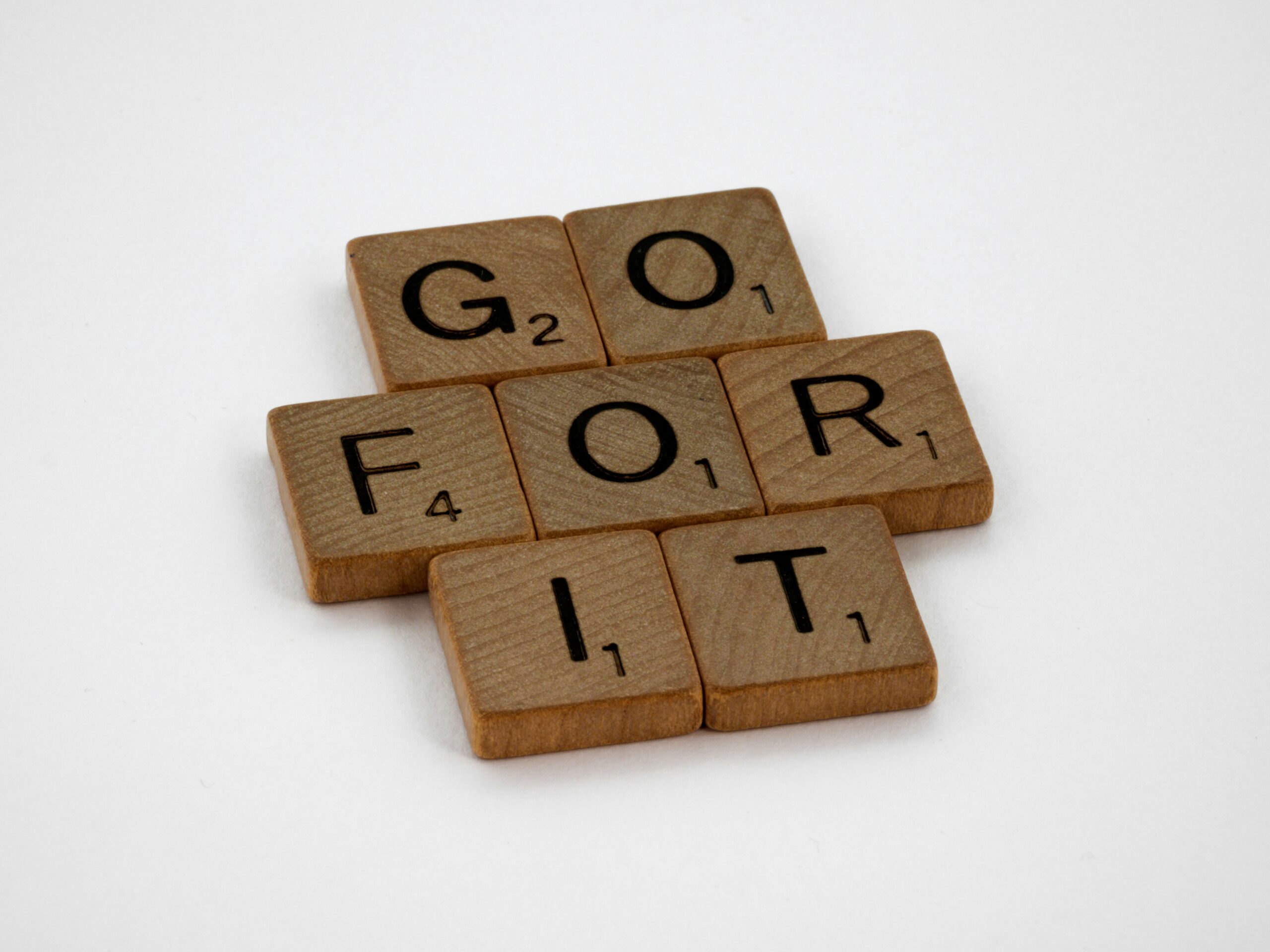
was a simple mindset: It wouldn’t hurt to try.
At the time, that mindset felt like a cliché. Of course, it wouldn’t hurt to try, but failure would. What intimidated me was not trying, but failing. Nonetheless his story stayed with me because we were at the same starting point. He didn’t think he was good enough, and yet he applied and got in. I also felt unconfident, but I was still hesitant to apply. Is it true that it wouldn’t hurt to try? The question lingered in my mind.
Near the end of my freshman year, an email inspired me to find my answer about whether it would hurt to try. It was an email about the Summer Research Bootcamp hosted by Dr. Barchard’s Interactive Measurement Group. The opportunity immediately caught my attention, but the self-doubt crept in just as quickly. I read the announcement again and again, trying to picture myself in the role. My mouse hovered over the reply button, but I couldn’t bring myself to do it. My CV was still half a page long. I could maybe add two more relevant courses, but would that be enough? I stared at my CV, trying to convince myself it was.
After nearly half an hour of overthinking, I eventually ran out of energy. My thoughts softened, and the words came back: It wouldn’t hurt to try. This time, something clicked. I realized that if I never applied, the outcome would always be the same: Nothing would happen. I might fail, and that would hurt, but never giving myself a chance to succeed would hurt even more. At least by trying, I’d know I gave myself a chance.
I found my answer: It wouldn’t hurt to try. I stopped predicting the result and focused on doing what I could to find out what the result really was. I took a deep breath and started drafting my email. I rewrote my message again and again, trying to find the right words. I made the email sound confident, even though I didn’t feel that way. After nearly an hour, I finally hit send. A few days later, I was invited to an interview, then another. Each one made me a little more nervous, but also a little more hopeful. Soon after, Dr. Barchard officially invited me to join the lab as a research assistant.
Since that day, a mindset I once dismissed now lives at the core of how I approach opportunities. Over the next two years, by believing it wouldn’t hurt to try, I served as the poster supervisor and lab manager at the Interactive Measurement Group, worked in two other research labs, and completed two internships. Now, when I open the “Bi CV” document, the page count already reads six. It’s no longer just a file. It’s a reminder of what can grow from simply trying.
Acknowledgements
ChatGPT (OpenAI, 2024) provided suggestions on reorganizing the structure and improving flow.
References
OpenAI. (2024). ChatGPT (April 29 version) [Large language model]. https://openai.com/chatgpt
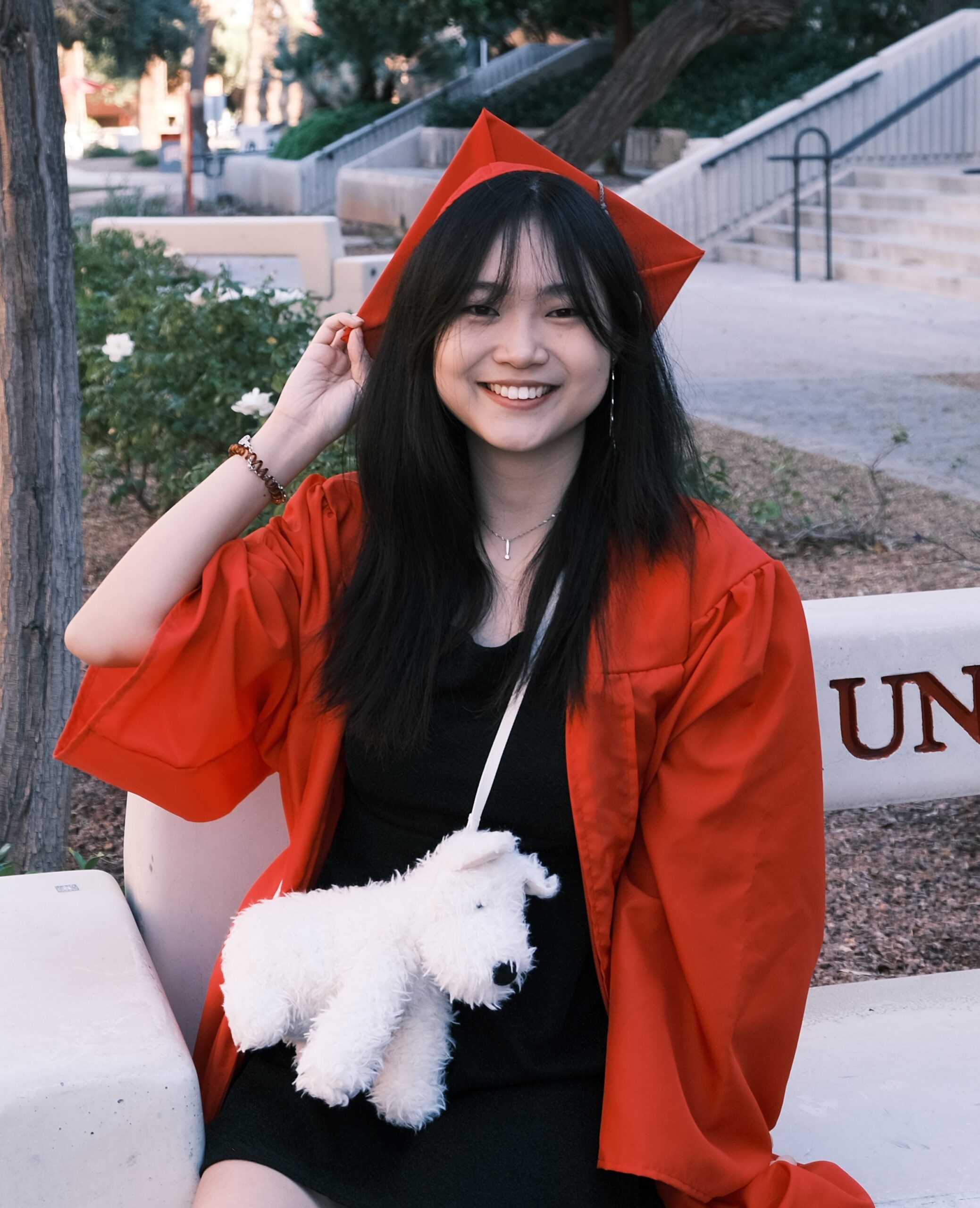
Yuhan joined the Interactive Measurement Group in Summer 2021. During her time in the lab, she gained extensive research experience, co-authoring two journal articles (both first-authored) and 12 conference posters (four first-authored). She also took on important mentoring and leadership roles, being Poster Supervisor for one year, Lab Manager for second year, and Newsletter Editor for a third year. Yuhan graduated in Summer 2023 with a B.A. in Psychology and a minor in Family Studies. She is now continuing her education by pursuing a master’s degree in Couple and Family Therapy at UNLV.